Sar Pass Trek


BOOKING
Trekking Fee
INR 5699/-
Per Person
Select Date
Adult
Highlights of the trek
Introduction: Why Sar Pass Trek in Kasol is Taking Over Social Media?
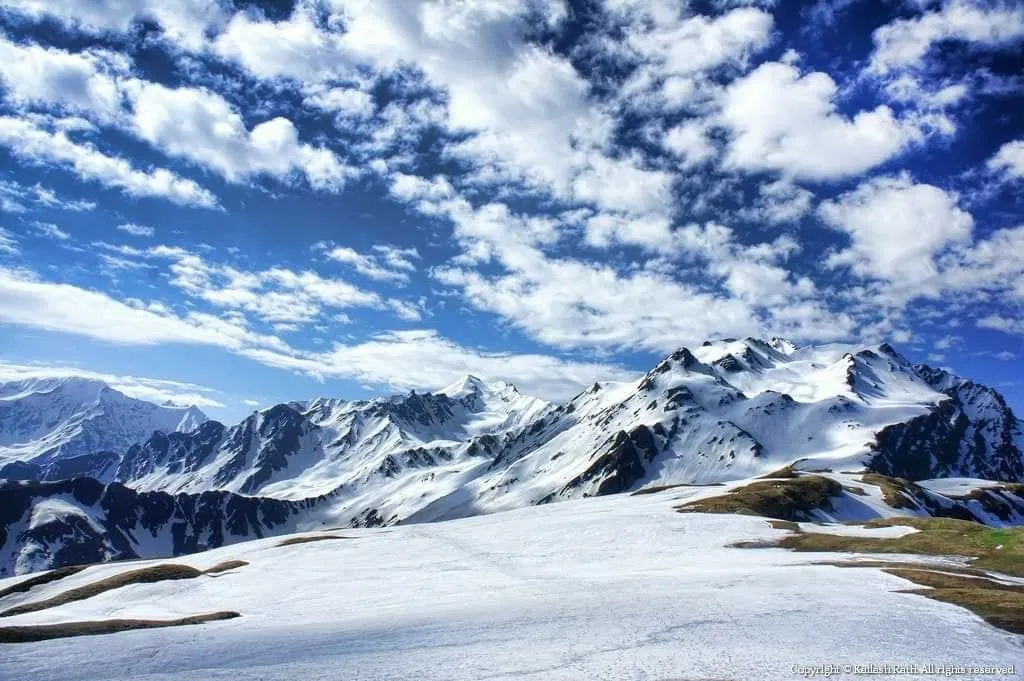
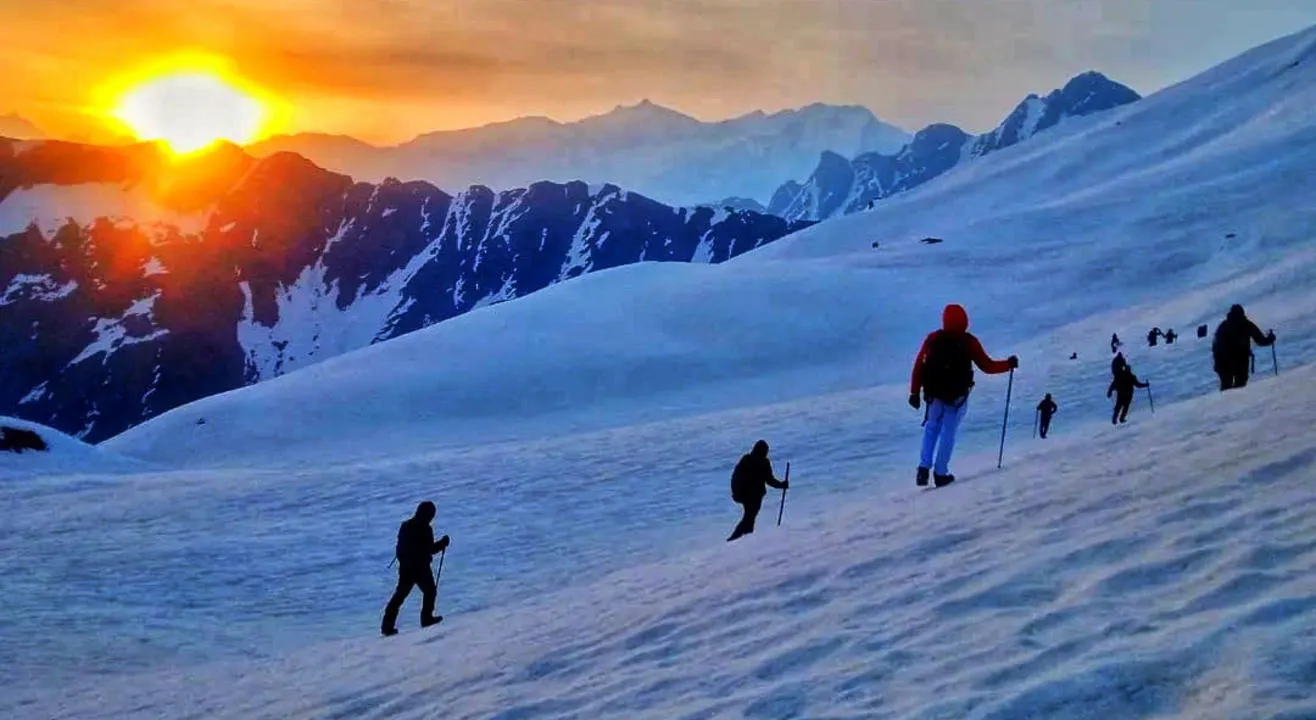
If you've been scrolling through Instagram or watching adventure travel videos, chances are you've seen stunning images of snow-covered peaks, emerald meadows, and trekkers silhouetted against majestic Himalayan backdrops. That's the magic of Sar Pass Trek—a phenomenon that's captured the hearts of thousands of adventure seekers from across India and beyond.
What started as a hidden gem in Himachal Pradesh's Parvati Valley has transformed into one of India's most sought-after treks. With over 10,000+ trekkers completing it annually, Sar Pass has become the go-to destination for beginners and seasoned adventurers alike who want to experience winter wonderland conditions without requiring technical climbing skills.
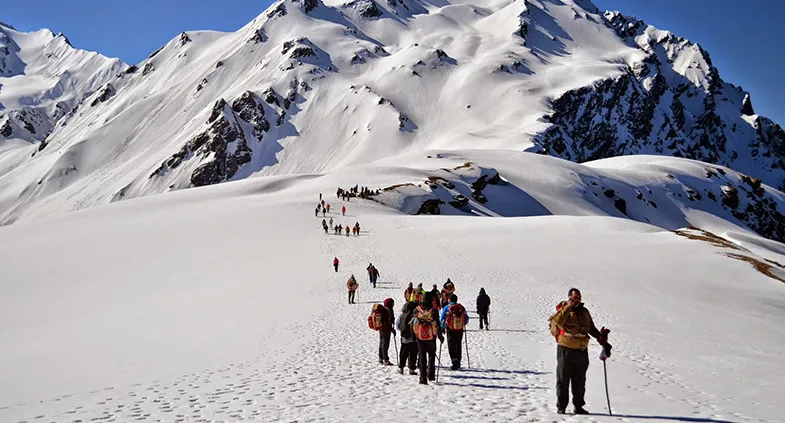
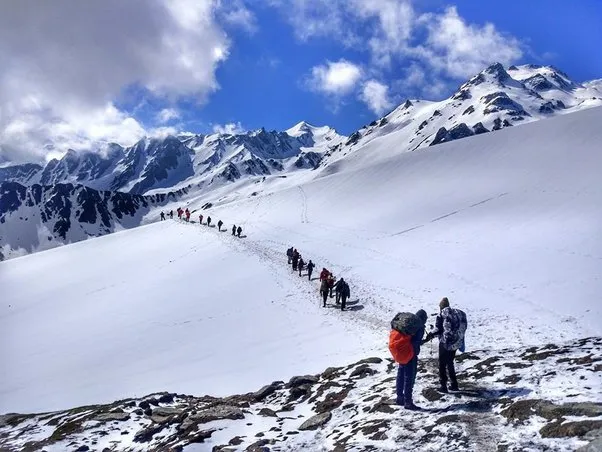
But here's what makes Sar Pass truly special: it's one of the rare treks where you can encounter snow in the middle of summer. Yes, while your friends are battling the scorching heat back home, you'll be navigating snow-covered passes, sliding down natural snowslides, and camping under starlit skies at 13,800 feet. That unique combination of accessibility and adventure is exactly why Sar Pass has become the stuff of bucket lists.
What is Sar Pass Trek? Understanding the Basics
Sar Pass Trek Kasol is a 5-day, 4-night moderate alpine trek located in the Parvati Valley of Kullu District, Himachal Pradesh, India. The trek covers approximately 48 kilometers and takes you from the scenic base camp of Kasol (1,700m) to the stunning Sar Pass (4,206m)—a frozen alpine lake that sits majestically in the Pir Panjal Range.
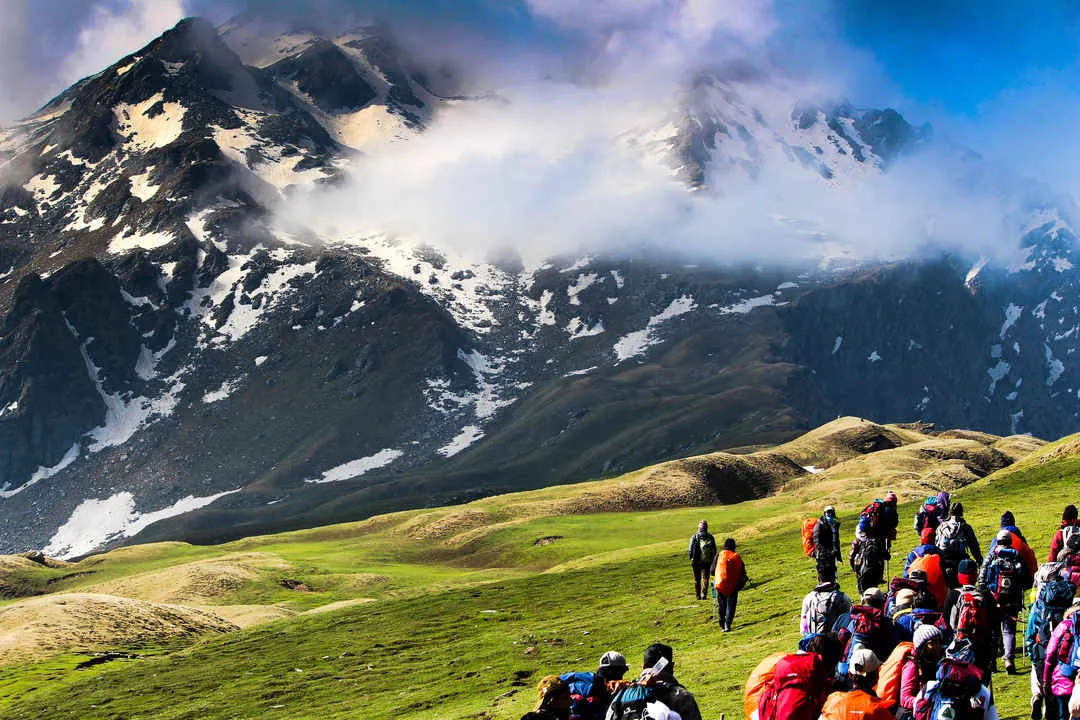
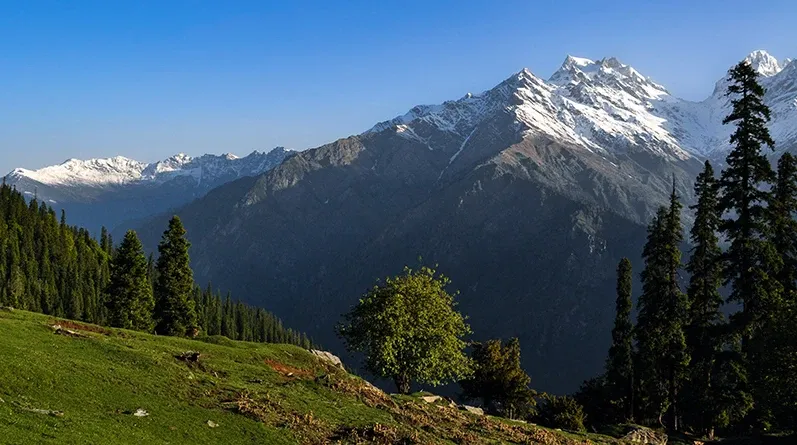
The word "Sar" literally means "lake" in the local Himachali language, and true to its name, the pass is crowned with a spectacular natural alpine lake surrounded by snow-capped peaks and pristine meadows. The trek winds through three distinct ecosystems: dense pine and deodar forests, rolling alpine meadows, and snow-covered high-altitude terrain.
Quick Facts at a Glance:
Starting Point: Kasol, Parvati Valley
Ending Point: Barshaini
Total Distance: 48 km
Maximum Altitude: 13,800 ft (4,206 m)
Duration: 4 Nights & 5 Days
Difficulty Level: Easy to Moderate
Best Season: April–June & September–November
Cost (Starting From): ₹5,399 per person
Daily Trek Duration: 4–8 hours
Physical Fitness Required: Basic fitness; beginner-friendly.
Why Sar Pass Trek is Exploding in Popularity
Sar Pass now welcomes more than 10,000+ trekkers every season. To put this in perspective, just a few years ago, this number was less than half. The growth rate has been consistently 30-40% year-on-year, making it one of India's fastest-growing trekking destinations.
Tripadvisor Rankings: The trek consistently ranks in the top 5 "Best Things to Do in Kasol" with an impressive 4.5+ star rating out of 5. Travelers consistently praise the trek's accessibility, stunning scenery, and unique snow experience.
Social Media Buzz: A quick search for #SarPassTrek on Instagram yields over 50,000+ posts. The aesthetic appeal of the trek—with its dramatic landscapes and Instagram-worthy moments at every turn—has made it a favorite among content creators and travel influencers.
Why the Sudden Popularity?
Accessibility for All Fitness Levels: Unlike many Himalayan treks that demand advanced fitness or technical skills, Sar Pass welcomes beginners. The moderate difficulty rating means anyone with basic cardiovascular fitness can complete it—no rock climbing, no rappelling, no prior mountaineering experience required.
Summer Snow Experience: Sar Pass is one of the few Indian treks where you get authentic snow experiences in April, May, and June. Most other snow treks close down during summer. This unique characteristic has made it incredibly popular among those wanting to experience snow without the extreme conditions of winter mountaineering.
Perfect Trek Duration: At just 4-5 days, it fits perfectly into long weekends and short vacation schedules. Unlike longer expeditions requiring 10-15 days, you can complete Sar Pass during a typical holiday without burning through too many vacation days.
Budget-Friendly Adventure: Starting at just ₹5,699 per person (with group discounts available), Sar Pass is genuinely affordable. This price includes accommodation, meals, guide services, and all permits—making it one of the most economical Himalayan trekking experiences.
Exceptional Community Experience: The trek has developed a vibrant trekking community. Many trekkers form lifelong friendships on the trail, and the camping culture encourages bonding, shared meals, and collective problem-solving at high altitudes.
How to Book Sar Pass Trek, Kasol?
Simply select your dates and pay online you will recieve a confirmation email. We have Daily batches available from May to October.
Best Trekking Seasons:
April–June (Spring/Early Summer)
Temperatures: 8°C to 15°C during day, -5°C to 0°C at night
Advantages: Abundant snow for authentic winter experience, clear skies, longer daylight hours
Challenges: Some snow might make trekking slightly technical; occasional snowfall
Best Time: Late April to early June for optimal balance
Why it's Popular: This is peak season when most people do the trek
September–November (Fall/Autumn)
Temperatures: 10°C to 18°C during day, 2°C to 8°C at night
Advantages: Clear weather, less snow (easier trekking), stunning autumn foliage
Challenges: Fewer snow experiences; first heavy snow might close trek by November
Best Time: September to mid-October
Why it's Popular: Crystal clear visibility, comfortable temperatures for hiking
Why NOT These Times:
Monsoon (July-August): Heavy rainfall makes trails dangerous, cloud cover blocks views, and increased avalanche risk. Most operators close operations during this period.
Winter (December-March): Extreme cold (-15°C to -25°C at night), heavy snowfall makes routes inaccessible, and significantly increased avalanche danger. Only for experienced mountaineers with proper equipment.
Weather Characteristics:
Altitude Considerations: Temperature drops approximately 1°C for every 150m increase in elevation. At Sar Pass (4,206m), expect it to be 20-25°C colder than at Kasol base.
Sun Exposure: The strong high-altitude sun can cause severe sunburn. Use SPF 50+ sunscreen daily.
Wind: High-altitude ridges can have strong winds, especially in morning hours.
Precipitation: Even in clear seasons, afternoon thunderstorms can develop suddenly at high altitudes.
Physical Fitness & Preparation: Can You Actually Do It?
The truth is, the question isn't "Can you do Sar Pass?" but rather "Are you willing to prepare for it?" Who Can Trek Sar Pass?
Age Range: From teenagers (14+) to adults well into their 60s have successfully completed Sar Pass. The oldest documented trekker was 73 years old!
Fitness Requirements:
No prior trekking experience needed
Basic cardiovascular fitness required
Ability to walk 4-8 hours daily
No fear of heights (some ridge sections have steep drops)
Mental determination to push through altitude challenges
Pre-Trek Training (6-8 weeks recommended):
Cardiovascular Training (3-4 times weekly): Jogging or running 30-45 minute sessions; Cycling 45-60 minutes on varied terrain; Swimming 30-45 minutes; Elliptical or stair climbing 30-40 minutes
Strength & Endurance (2-3 times weekly): Squat strengthening (lunges, step-ups, squats); Core strengthening (planks, crunches, leg raises); Practice with heel walks
Common Concerns Addressed:
Q: I'm not a regular exerciser. Can I still do it?
A: You'll want to start training 8-10 weeks before your trek. Even 30 minutes of daily walking combined with light strength training significantly increases your chances of success.
Q: What about altitude sickness?
A: Sar Pass Trek is designed to minimize acute mountain sickness (AMS) through gradual elevation gain. Most trekkers experience mild symptoms (mild headache, slight breathlessness) that resolve with rest. Serious AMS cases are rare on this trek. Your guide will monitor you daily.
Q: I have knee problems. Is this trek suitable?
A: The final day is primarily downhill, which stresses knees. Consult your doctor. Many people with mild knee issues successfully complete it using trekking poles.
What to Pack: The Ultimate Sar Pass Trek Packing Checklist
Packing smart makes the difference between an enjoyable trek and a miserable one. Here's everything you need:
Base Layer (Layering System is Critical):
2-3 base layer thermal tops (synthetic or wool, no cotton recommended)
2-3 pairs of hiking socks (avoid cotton)
1 pair hiking shorts/pants for daytime
Mid Layers:
1-2 fleece jackets
1 wool sweater
1 pair thermal leggings
Outer Layer:
1 waterproof, windproof jacket
1 waterproof trousers
1 hat/beanie (essential for high altitude)
1 pair gloves/mittens
1 scarf or neck gaiter
Footwear:
Sturdy hiking boots (broken in before trek)
1 pair camp/indoor shoes
Gaiters (optional but helpful for snow)
Climbing/trekking poles
Personal Care & Accessories:
Sunscreen SPF 50+
Lip balm with SPF
Sunglasses (UV protection critical at altitude)
Headlamp with extra batteries
First aid kit (basic)
Personal medications
Wet wipes/travel towels
Toilet paper and portable toilet seat
Feminine hygiene products if needed
Sleeping & Camping:
Sleep bag (rated for -5°C minimum)
Sleeping pad (for insulation)
Travel pillow (optional)
Others:
Water bottle (2-3 liter capacity)
Backpack (50-60 liters for multiday treks)
Trekking map/guidebook
Camera with extra batteries
Phone/portable charger
Important documents (ID, permits)
Cash (in small denominations)
What's Provided by Trek Operators:
Tent accommodation
Sleeping bag (usually)
Mattress/mat
All meals
Cooking utensils
Experienced trek guides
First aid supplies
Beyond Sar Pass: Additional Activities & Attractions in Kasol
While Sar Pass Trek is the crown jewel, the Parvati Valley offers incredible complementary experiences. Many trekkers extend their Kasol trips to 7-10 days to explore these attractions:
Pre-Trek Activities (Before Starting Sar Pass):
Chalal Trek Trail (30 min to 1 hour)
A gentle warm-up trek through pine forests to the quaint village of Chalal. Perfect for acclimatization and loosening your muscles before the main trek. The viewpoint offers stunning valley vistas.
Manikaran Hot Springs & Gurudwara (4 km from Kasol)
Soak in naturally heated hot springs believed to have therapeutic properties. The adjacent Sikh Gurudwara (temple) is architecturally beautiful and welcomes visitors. The hot spring water is rich in minerals and provides excellent muscle recovery.
Kasol Market & Cafes
Browse the eclectic flea market for local souvenirs—woolen sweaters, handmade crafts, fruit jams, and honey. Relax at iconic cafes like Jim Morrison Cafe or Stone Garden Cafe, which offer Israeli cuisine and bohemian vibes.
Post-Trek Activities (After Sar Pass):
Kheerganga Trek (2 days from Barshaini)
One of the most popular treks in Parvati Valley. It takes you to a sacred site at 2,680m with natural hot springs and a Shiva temple. The trek is easier than Sar Pass, making it perfect for a 2-day extension.
Tosh Valley Exploration
Visit the charming village of Tosh (3,000+ meters) known as the "Israel of Himachal" due to its large Israeli backpacker community. The village offers bohemian cafes, homestays, and stunning valley views.
Magic Valley Trek (Waichin Valley)
A hidden gem located at 2,700m above Malana village. It features alpine meadows, pristine streams, and minimal tourist crowds. A peaceful alternative for those seeking solitude.
Parvati River Trekking & River Crossings
Several day treks along the Parvati River offer opportunities for adventurous river crossings and stunning riverside landscapes.
Non-Trek Activities in Kasol:
Stargazing Experience
With minimal light pollution, Kasol offers extraordinary night sky experiences. Many camps organize evening stargazing sessions with bonfire and local storytelling.
Photography Tours
Professional guides lead photography expeditions to capture the valley's best locations during golden hours.
Yoga & Wellness Retreats
Multiple ayurvedic spas and yoga centers offer massage therapy, meditation, and wellness packages—perfect for post-trek recovery.
River Fishing
Trout fishing in local rivers is available during specific seasons.
Cost Breakdown: Is Sar Pass Trek Really Budget-Friendly?
Trek Package Costs:
Standard Trek Package: ₹5,699 per person (minimum 2-person group)

Overview
Itinerary
Inclusion
ALL Meals (Veg + Egg) Dinner, Lunch Breakfast
Transport from Barshaini to Kasol on the last day.
Trek leader, Guides and cooks for meals.
Stay in tents.
sleeping bag, Mattress etc.
All the permit and trek fees.
Exclusion
Anything that is not mentioned.
Porters for own luggage.
Any extra meal.
Any special transportation.
Things To Carry
Layers of clothing - warmer, fleece, jackets
water bottles.
Uv protector sun shades, extra pair of socks
Torch.
Quick Facts at a Glance
Starting Point: Kasol, Parvati Valley
Ending Point: Barshaini
Total Distance: 48 km
Maximum Altitude: 13,800 ft (4,206 m)
Duration: 4 Nights & 5 Days
Difficulty Level: Easy to Moderate
Best Season: April–June & September–November
Cost (Starting From): ₹5,399 per person
Daily Trek Duration: 4–8 hours
Physical Fitness Required: Basic fitness; beginner-friendly.
Faq's
Yes, you get bus easily for Kasol.
Sar Pass Trek in Kasol comes under a category of easy to moderate.
Trekking shoes, layers of clothing are required for the trek, in case of gaiters and spikes it can be made available if required.
Sar Pass Trek is located in the Parvati Valley of Himachal Pradesh near Kasol. The trek starts from Kasol and takes you through beautiful forests, meadows, snow trails, and Himalayan villages.
The best time to do Sar Pass Trek is from April to June when the trail is covered with snow patches, blooming forests, and pleasant weather.
Sar Pass is situated at an altitude of approximately 13,800 ft above sea level.
The complete Sar Pass Trek usually takes 5 days including arrival and return to Kasol.
The total trekking distance of Sar Pass Trek is approximately 48 km.
Yes, Sar Pass Trek is one of the best Himalayan treks for beginners looking for snow trekking and camping experience.
Yes, Sar Pass Trek offers snow trails and snow slides during the spring and early summer season, especially from April to May.
Major highlights include: Pine forests Snow-covered trails Scenic campsites Himalayan views Biskeri Thach River crossings Traditional villages
Temperature during Sar Pass Trek can range between: Day: 8°C to 15°C Night: -2°C to 5°C Depending on weather and season.
TrekNgo offers experienced trek leaders, quality camping arrangements, safety support, well-planned itineraries, and memorable Himalayan trekking experiences.
Yes, Sar Pass Trek is considered safe when done with experienced trek organizers and certified trek leaders like TrekNgo.
Yes, beginners with decent fitness can comfortably complete Sar Pass Trek with proper guidance and preparation.
Cancellation Policy
30 - ∞ Days
25% Deduction
15 - 29 Days
50% Deduction
0 - 15 Days
100% Deduction